
Entertainment
Producer Pragya Kapoor speaks up as trans rights debate returns to the spotlight

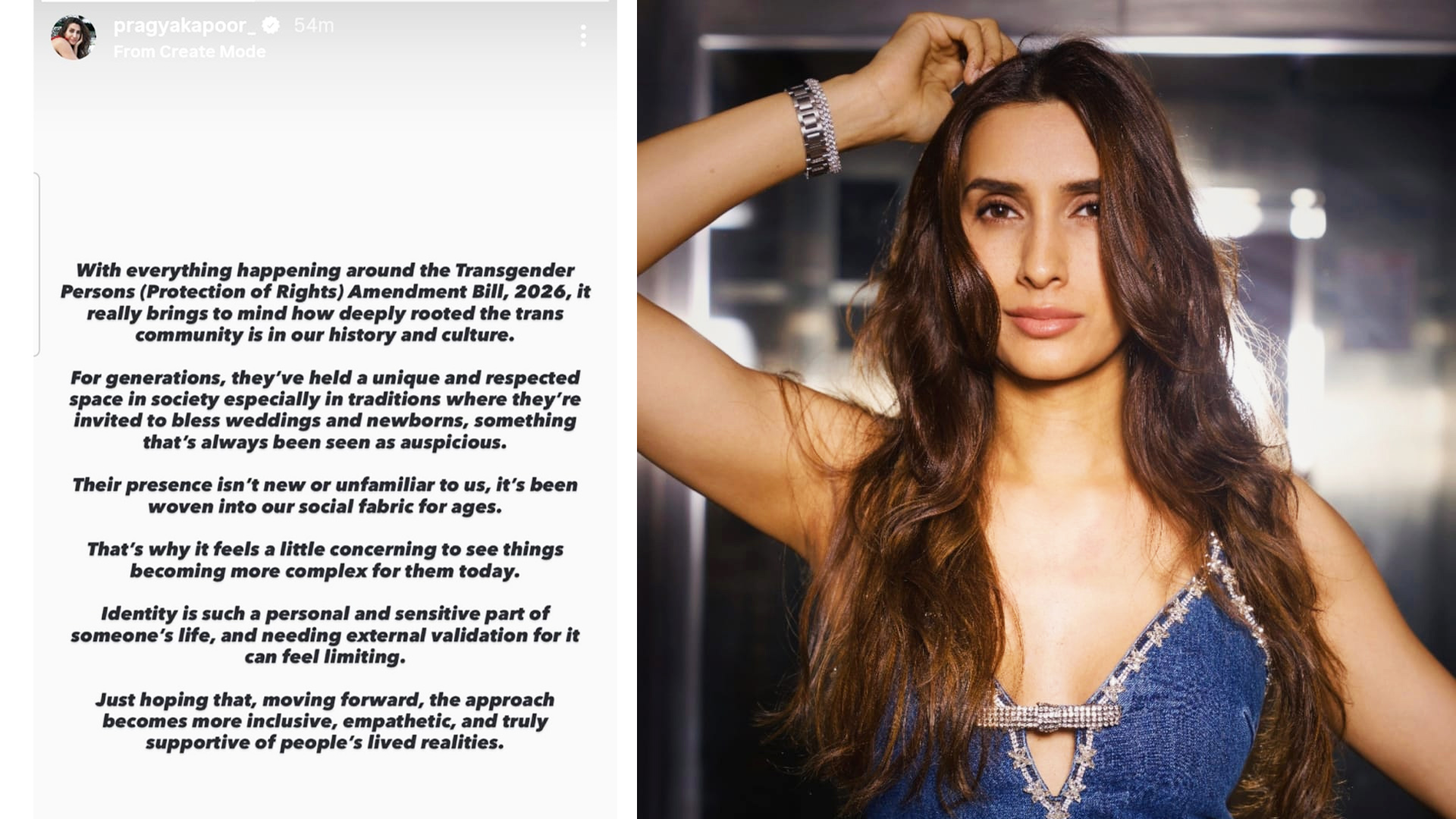
As conversations around identity are once again taking centre stage, producer Pragya Kapoor has chosen to lend her voice with quiet clarity. Known for backing stories that carry both heart and intent, her 2021 film ‘Chandigarh Kare Aashiqui’ stood out for the way it approached gender identity through a mainstream lens.
Directed by Abhishek Kapoor, the film follows the story of a character, played by Ayushmann Khurrana, whose life takes an unexpected turn when he falls in love with a transgender woman, portrayed by Vaani Kapoor. What set the narrative apart was its refusal to sensationalise; instead, it chose empathy and emotional honesty, opening conversations that were long overdue in mainstream Hindi cinema.
Producer Pragya Kapoor’s recent social media post echoes that same sensitivity, where she reflected on the ongoing discourse around the Transgender Persons Amendment Bill, 2026. She wrote:
“With everything happening around the Transgender Persons Amendment Bill, 2026, it really brings to mind how deeply rooted the trans community is in our history and culture. For generations, they’ve held a unique and respected space in society especially in traditions where they’re invited to bless weddings and newborns, something that’s always been seen as auspicious. Their presence isn’t new or unfamiliar to us, it’s been woven into our social fabric for ages. That’s why it feels a little concerning to see things becoming more complex for them today. Identity is such a personal and sensitive part of someone’s life, and needing external validation for it can feel limiting. Just hoping that, moving forward, the approach becomes more inclusive, empathetic and truly supportive of people’s lived reality.”
The current discussions around the amendment bill have brought back larger questions — about identity, autonomy, and the space individuals are allowed to occupy within society. And while Pragya Kapoor’s note doesn’t attempt to resolve these questions, it gently shifts the focus back to empathy, lived experiences, and the idea that inclusion cannot be conditional.
