
Bollywood
How Abhishek Pathak Took Drishyam From Remake Territory to a Hindi Original and the 5 Big Creative Decisions

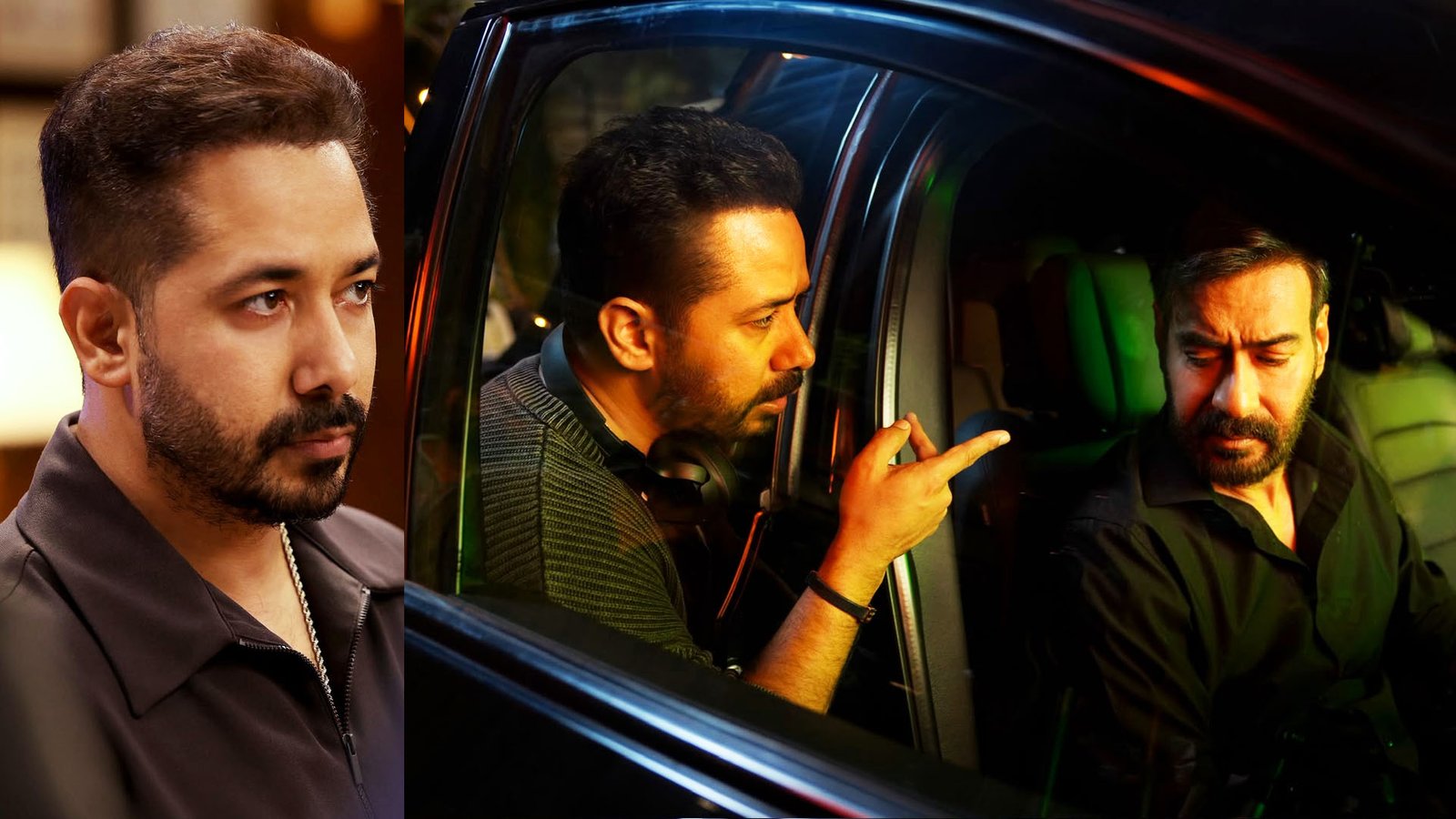
For years, the Hindi Drishyam franchise had an obvious question: how much of it belonged to the original Malayalam films and how much belonged to the Hindi filmmakers who had recreated that world? With Drishyam: The Conclusion, Abhishek Pathak has answered that question in the most definitive way possible, by taking the Hindi story somewhere the Malayalam franchise has not gone.
The third film starts from the same broad point as the Malayalam Drishyam 3, but Pathak has built a different narrative around Vijay Salgaonkar, with a different tonal treatment, new character dynamics and a new conclusion. He has described the film as a completely new story, while earlier explaining that the Hindi audience’s expectations and viewing habits informed the changes made to the franchise.
Here are five creative decisions that helped the Hindi Drishyam develop an identity of its own.
1. He started with the ending, not the beginning
Instead of treating the third film as a straightforward continuation and figuring out the climax later, Pathak worked backwards. The director has revealed that the germ of the film was its climax. Once the shock element was cracked, the team designed the story backwards from that point, building the screenplay around the ending they wanted the audience to experience. The climax became the foundation on which the Hindi film was constructed, allowing the writers to build their own route to it rather than reverse-engineer the Malayalam film’s structure.
2. He changed the genre emphasis for the Hindi audience
The difference isn’t merely in plot. Pathak and producer Kumar Mangat Pathak have described the Malayalam third film as leaning more towards an emotional family drama, while their Hindi version was conceived as a family thriller.That explains several of the Hindi film’s creative choices. The narrative moves more quickly towards the central conflict, with Vijay facing a fresh threat and the pressure building earlier. Reviews have also said that the Hindi version gets to the conflict faster rather than spending as much time establishing the situation. In effect, Pathak didn’t just translate the franchise’s storytelling language. He recalibrated it for the Hindi theatrical audience.
3. He treated the remake as material to reconstruct, not reproduce
Pathak’s philosophy around remakes has been unusually clear. He has argued that simply following an existing film faithfully can cause the director’s contribution to disappear under the “remake” label. For The Conclusion, that meant taking the underlying world and characters but rebuilding the story and screenplay rather than translating the Malayalam film scene for scene. Pathak has described the exercise as creating his own interpretation and adding something to the original rather than merely reproducing it. This is why the Hindi third chapter can coexist with the Malayalam franchise without functioning as a Hindi-language duplicate of it.
4. He built the new story around the Hindi franchise’s accumulated history
Pathak wasn’t starting from scratch. He had to carry forward two Hindi films that had already developed their own audience and mythology. It meant retaining details from the Hindi films while changing where the story went next. The director has spoken about revisiting earlier footage, dialogue and visual details and bringing those elements into the third film. The intention was to make audiences feel that all three films belonged to one continuous Hindi universe.
That becomes particularly important because the Hindi Drishyam has developed an identity and fan following independent of the Malayalam original. Its October 2 association, memes, dialogues and Vijay Salgaonkar’s pop-culture status have all become part of the Hindi audience’s relationship with the franchise.
5. He made finality a creative choice, not just a title
The decision to call the film The Conclusion rather than Drishyam 3 was itself part of Pathak’s creative strategy.
He has explained that calling it Drishyam 3 would naturally leave audiences wondering whether a fourth film could follow. The Conclusion, on the other hand, signals that the Hindi story is reaching its endpoint. That decision is especially crucial because the Malayalam franchise has already moved beyond the third film. Pathak has chosen a different trajectory for the Hindi universe: not to chase the possibility of another sequel, but to give Vijay Salgaonkar’s story a definitive Hindi ending. The result is a rare case of a Hindi remake franchise gradually developing enough confidence to stop being defined by its source. The Hindi Drishyam may have begun as someone else’s story, but with The Conclusion, Pathak has made a very deliberate attempt to make its final chapter unmistakably his own.
