
Entertainment
Richa Chadha explores how Mumbai became India’s financial capital in the latest episode of ‘Musafiri’

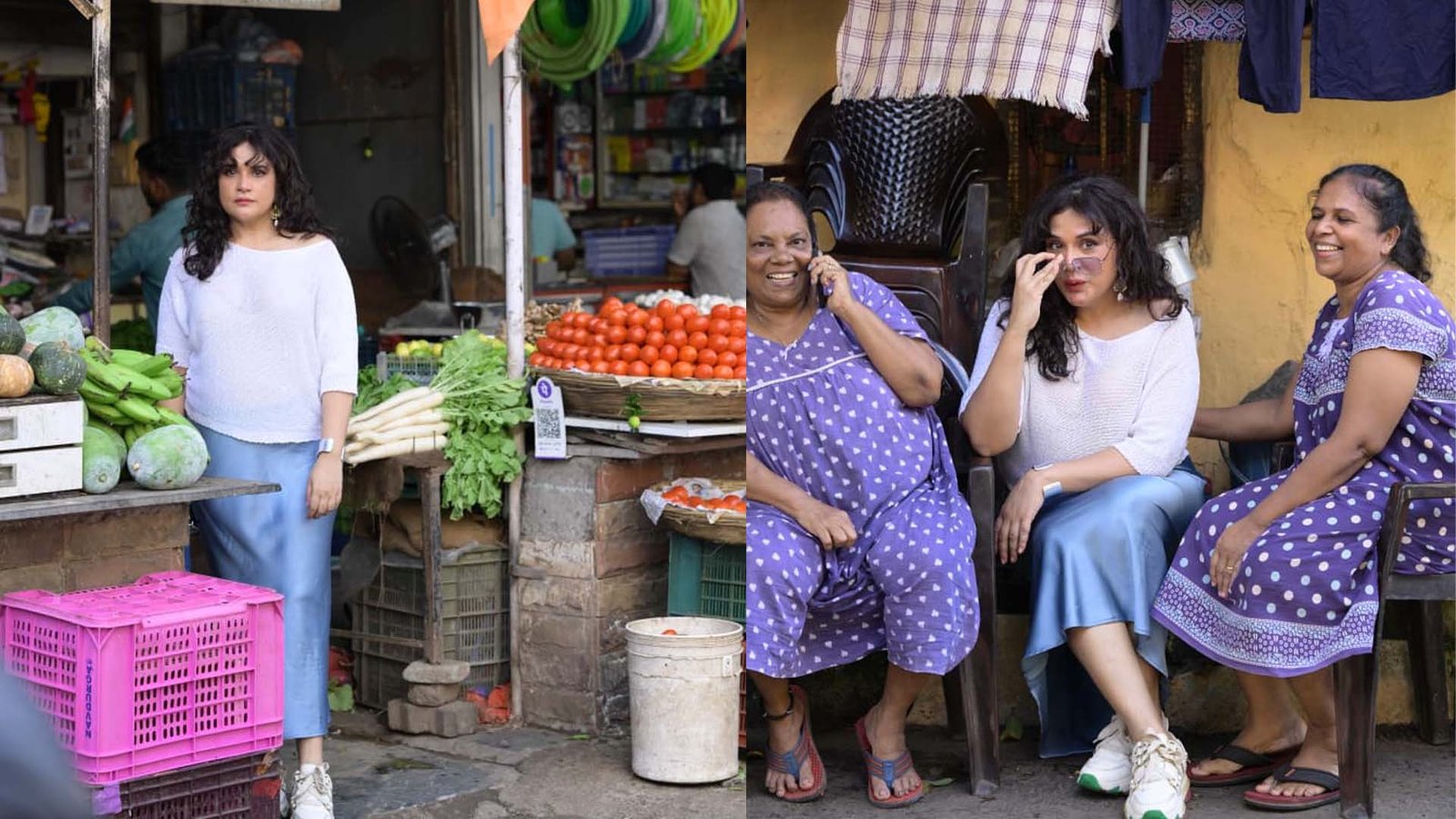
From the early traders who laid the foundations of Asia’s first stock exchange to the philanthropists who helped build the city, Richa Chadha traces Mumbai’s journey from a cluster of islands to an economic powerhouse. In the latest episode of Musafiri, Richa Chadha takes viewers through the historic streets of South Mumbai to explore how the city evolved into an _Urbs Prima in Indis._
The episode revisits the early history of Bombay, beginning with the transfer of the islands to the British Crown as part of the marriage dowry of Catherine of Braganza and King Charles II in 1661. It also explores the role of Gerald Aungier, the 2nd British Governor of Bombay, often regarded as one of the architects of modern Bombay, whose policies encouraged trade, attracted diverse communities and helped lay the foundations for the city’s commercial growth. His efforts to engage with local communities, including learning Marathi, reflected the importance of building connections in a growing port city.
From traders gathering under a banyan tree to lay the foundations of what would become Asia’s first stock exchange, to the fortunes built through the cotton and opium trades, Mumbai’s economic history is closely linked to global commerce. The episode also looks at influential figures such as David Sassoon, Jamsetjee Jejeebhoy and Premchand Roychand, whose contributions extended beyond business and wealth. Their philanthropy helped shape the city’s educational institutions, hospitals and iconic landmarks, leaving a lasting imprint on Mumbai’s social and cultural landscape.
What makes this episode particularly compelling is Richa Chadha’s strong writing and meticulous research, which bring together lesser-known historical facts and fascinating stories to offer a deeper understanding of how Mumbai became the financial powerhouse it is today. As Richa uncovers stories of ambition, colonial trade, community and generosity, she also raises an important question: what responsibility comes with wealth, especially when the fortunes of the privileged are no longer directly connected to the communities that helped build the city?
Speaking about the episode, Richa Chadha says,“Whenever we talk about Mumbai, we talk about its energy, its opportunities and the people who come here to build a life. But I think it is equally important to understand the history behind the city we know today. Mumbai’s rise was shaped by trade, migration and people who built fortunes, but also by those who gave back to society through schools, hospitals and public institutions. It makes you wonder whether wealth today carries the same sense of responsibility. A city is not built by money alone; it is built by the people who live in it, contribute to it and make it what it is. Through *Musafiri*, I want to explore these lesser-known stories and look at Mumbai through a perspective we may not always stop to consider.”
With each episode, *Musafiri* invites viewers to discover lesser-known stories and histories that continue to shape Mumbai. This episode offers a deeper look at how the city became an economic and financial hub, while reflecting on the enduring question of what it means to build wealth and give back to the society that makes it possible.
