
Bollywood
8 Years of Padmaavat: How Deepika Padukone as Rani Padmavati Became Indian Cinema’s Most Timeless & Iconic Act

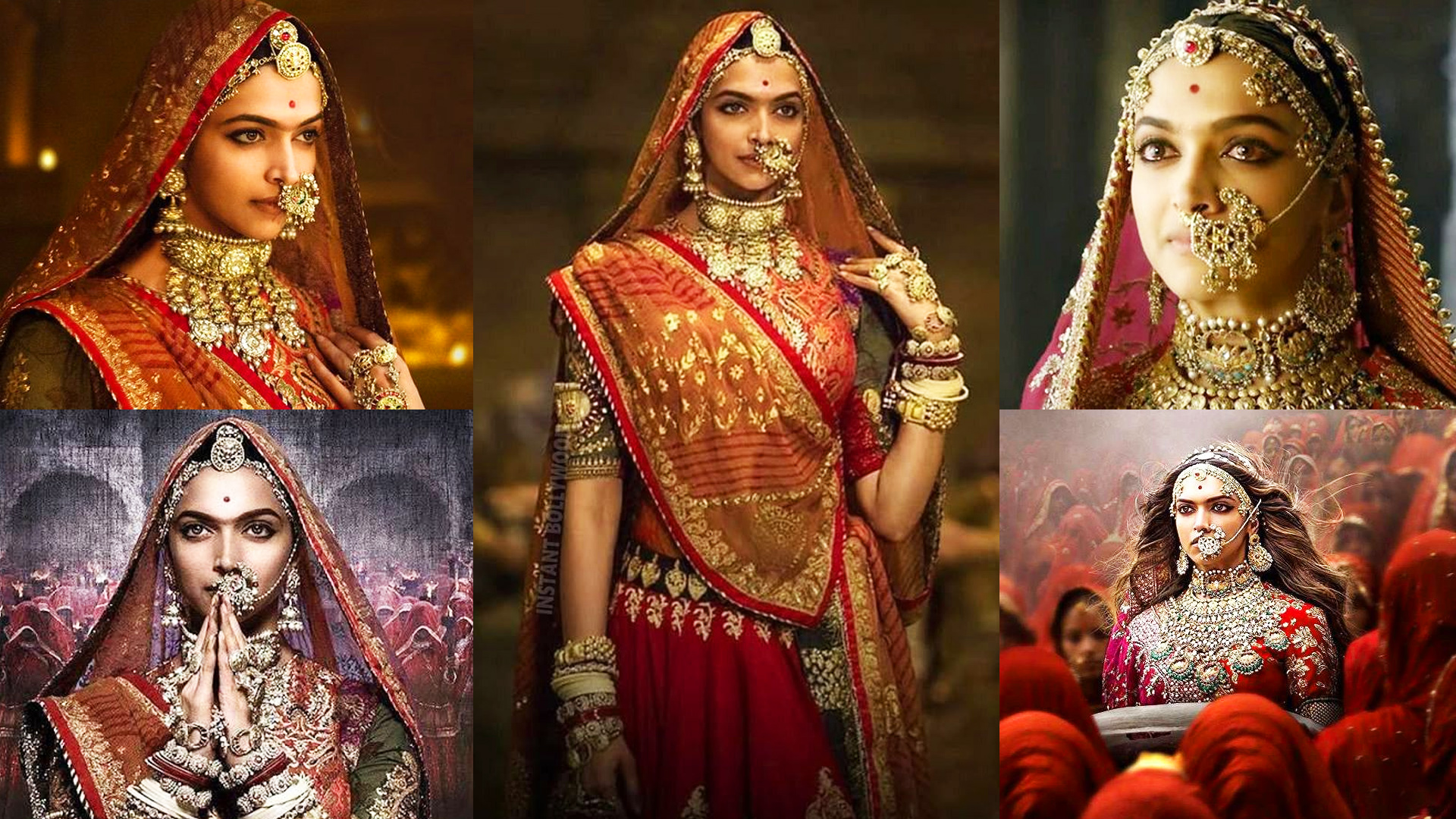
Eight years since the release of Padmaavat, Deepika Padukone’s Rani Padmavati continues to stand as one of Indian cinema’s most powerful characters. Her iconic status wasn’t built on one element alone, but on a rare coming together of performance, presence, and purpose.
1. Performance: Power in Restraint
Deepika Padukone delivered a performance rooted in control and inner strength. There were no excess dramatics — instead, she relied on stillness, silence, and emotional discipline, making Padmavati’s strength feel deeply internal and authentic.
2. Screen Presence: Command Without Aggression
Even in large ensemble scenes, Padmavati remained the emotional anchor. Her presence didn’t overpower others, yet it naturally drew the eye — a mark of true cinematic authority.
3. Costumes & Visual Identity: Dignity Over Display
Padmavati’s visual language reflected royalty, tradition, and self-respect. The costumes enhanced her dignity rather than distracting from it, reinforcing her identity as a queen defined by values, not vanity.
4. Dialogues: Measured, Meaningful, Memorable
Her dialogues were sparse but impactful. Every word carried weight, reinforcing her moral clarity. Padmavati didn’t speak often — but when she did, it mattered.
5. Body Language: Strength in Stillness
From posture to gaze, Deepika’s physicality conveyed control and composure. Her body language became a storytelling tool, expressing resolve even in silence.
Rani Padmavati remains iconic because every element — performance, presence, visual identity, and values — worked in quiet harmony to create a legacy that time hasn’t dimmed.
